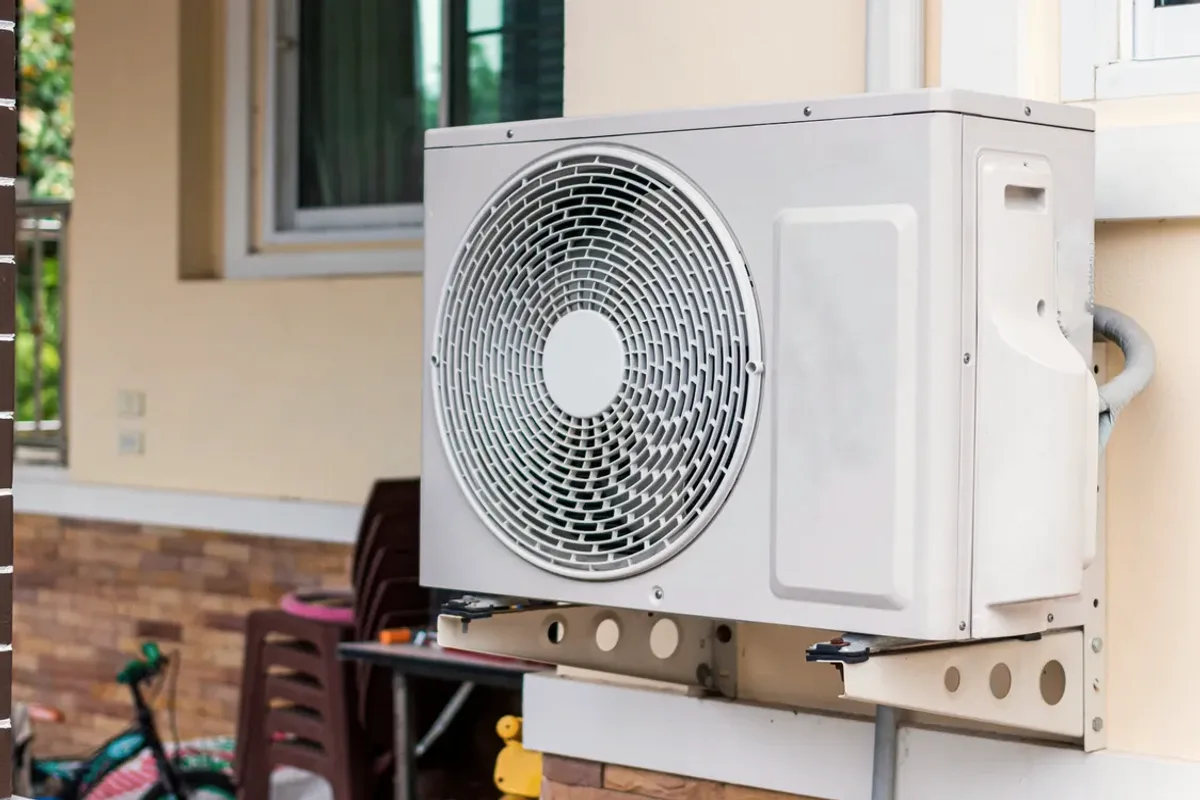
Request heat pump repair & installation for a property in Brantford. Include the equipment, the problem or planned work, and your location so the request can be reviewed.
Does the heat pump struggle in heating mode, cooling mode, or both, and what symptoms accompany the problem?
A heat pump provides both heating and cooling, so symptoms should be described by operating mode and the conditions in which they occur. Icing, weak airflow, uneven heating or cooling, noise, and short cycling can arise from different causes. Repair assessment may involve coils, controls, airflow, or the refrigerant circuit. If replacement is being considered, the property's heating and cooling requirements, existing distribution, and equipment compatibility help define the appropriate system scope.
Diagnosis compares the selected operating mode, system controls, airflow, and coil condition with the reported symptoms. Icing or short cycling does not identify a single failed part, so equipment readings and service history matter. A confirmed repair is distinct from replacement planning, which considers system condition, capacity, and compatibility with the property's distribution. Maintenance actions such as coil cleaning or charge checks depend on inspection findings and manufacturer instructions.
Icing, coil condition, and weak airflow
Short cycling, controls, and refrigerant-circuit diagnosis
Repair decisions and heat pump replacement planning
Assessment and Scope
Questions for the Proposed Work
01
Investigate icing and weak airflow by operating mode
Icing can occur for more than one reason, and its location and timing help direct diagnosis. Weak airflow may involve an obstruction, fan operation, or another system fault, while uneven heating or cooling can also involve controls or distribution. Observations should include whether the issue appears in heating, cooling, or both modes. Refrigerant-circuit work and internal electrical checks require professional assessment; occupants should not attempt to intervene in those components.
02
Trace short cycling before choosing a repair
Repeated starts and stops can reflect a control, airflow, or equipment problem, so the operating sequence and any diagnostic information are important. The history of earlier repairs can show whether the current symptom is isolated or recurring. A repair decision should follow identification of the fault rather than replacing parts by symptom alone. Coil condition, charge, and control calibration may be examined where the inspection indicates they are relevant.
03
Plan replacement around the property's system
When repair is no longer suitable, replacement planning considers the heat pump's condition, repair history, heating and cooling needs, and the existing distribution arrangement. The replacement must be selected for the property rather than assumed from the old unit's label. If the system connects to ducts or another distribution configuration, compatibility affects equipment choices and installation scope. Maintenance remains a separate decision and should follow manufacturer guidance and inspection results.
Compare the next step
Request a load calculation that identifies completed upgrades and work still planned. Ask how the selected capacity, low-temperature performance, and supplementary heat relate to those assumptions. If construction is staged, discuss whether the proposed operating strategy remains appropriate between the first and final renovation phases.
Cold-climate capability does not prove that one model covers every home heating load. Ask how the selected equipment and supplementary heat meet the actual design requirements.